
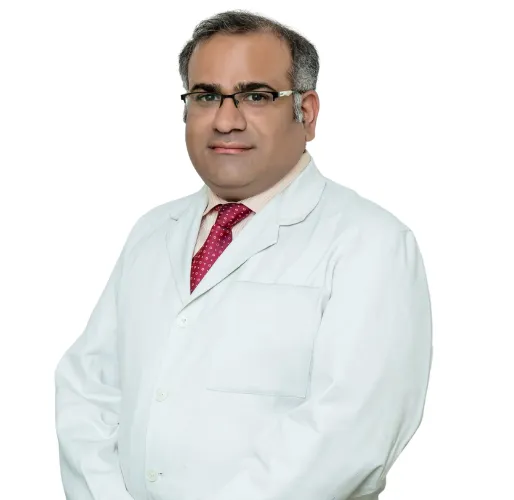
Meet Dr. Shubh Mahindru
Meet Dr. Shubh
Dr Shubh Mahindru is a director of cancer surgery at Livasa Hospital, Mohali. He is a super-specialist in diagnosing and treating cancer patients. He has extensive experience of working for more than 21 years in highly prestigious cancer hospitals of North India.
He has successfully done numerous complicated cancer surgeries of both young and old-age cancer patients for reducing their pain and suffering. He is also an expert in doing cancer surgeries for the preservation of affected organs.
Our Services
We deliver cancer care with compassion, precision, personalization, and affordability, ensuring every patient receives treatment tailored to their unique needs.
- Cancer awareness
- Screening and Prevention
- Diagnosis and staging
- Treatment and Rehabilitation
- Palliation
- Cancer vaccination – Hepatitis B, HPV.
- All kinds of emergencies coming across in oncology
- Breast prosthesis
- Stoma care
- Voice prosthesis
- Prostodontic support
- Nutrition Counselling
- Psychological Counselling
- Cancer pain management
- Dental oncology and dental prophylaxis
- All Lab investigations like Hormonal investigations, Cancer tumor marker, etc
Why Choose Us?
Welcome to Shubh Clinic, a super specialty clinic for cancer treatment and other ailments. The clinic is centrally located in Mohali, with ease of transport from all directions. The calm residential area ensures a peaceful environment for patients.
Integrated multidisciplinary approach and cancer care
Shubh Clinic follows a multidisciplinary approach to cancer care. This means that a team of specialists
collaborates to address various aspects of cancer treatment, including surgery, chemotherapy, radiation therapy, and supportive care.
We Maintain Cleanliness Rules Inside Our Centre
Patient Information
Cancer is the uncontrolled rapid growth of abnormal cells in a body. These tumor cells have the tendency to invade healthy parts in the body and cause metastasis. Metastases are a major cause of death from cancer. There are more than 100 types of cancer, including breast cancer, skin cancer, lung cancer, colon cancer, prostate cancer, and lymphoma.
- Abnormal genes
- Tobacco products and smoking
- Excessive alcohol intake
- Betel nut
- High fat diet and obesity
- Infections – Hepatitis, HIV, HPV
- Environmental pollutants e.g. Pesticides, chemicals
- Radiation
- Change in bowel or bladder habits.
- An ulcer that does not heal.
- Unusual bleeding or discharge.
- Painless hard lump in the breast or elsewhere.
- Indigestion or difficulty in swallowing.
- Nagging cough or hoarseness of voice.
- White patches i.e leukoplakia.
- Obvious change in a wart or mole.
- Significant loss of appetite and weight.
- Regular self-examination followed examination by an oncologist
- Screening examination by an oncologist along with investigations e.g.:
- Routine tests like blood, stool and urine
- Tumor Markers like CA15.3, CA125, PSA, CA19.9
- Radiological tests like USG abdomen, Mammography, CT scan, MRI and PET-CT scan
- FNAC and Biopsy, PAP Smear
- Stage 0: Carcinoma insitu – Pre-cancerous form.
- Stage 1: Early stage.
- Stage 2: Locally advanced stage.
- Stage 3: Advanced stage.
- Stage 4: Metastatic stage.
- Surgery – Surgery is the oldest form of cancer therapy and remains one of the most important treatment components for complete cure from cancer. It may be your only treatment or it could be used as a supplementary process to other procedures such as chemotherapy, radiation therapy and hormone therapy. Cancer surgery is also used for providing symptomatic relief to patients with advanced disease.
- Chemotherapy-Chemotherapy is the use of drugs to destroy rapidly growing cancer cells. It may be used with radiation to help shrink the tumour before surgery. It may also be used after surgery to destroy remnant cancer cells.
- Radiotherapy – Radiation therapy uses high-energy radiation to kill cancer cells. A patient may receive radiation therapy before, during, or after surgery, depending on the type of cancer being treated. It is also used to relive tumor pain in some cancers. The effectiveness of radiation is based on the equipment’s ability to concentrate the maximum dose at the affected area while keeping the damage to the adjoining areas to the minimum. It is generally a pain-free treatment.
Many cancers can be prevented by avoiding exposure to common risk factors. It can be prevented by
- Avoiding tobacco products,
- Maintaining a healthy weight,
- Staying physically active,
- Not drinking too much alcohol,
- Eating plenty of vegetables, fruits and whole grains,
- Vaccination against certain infectious diseases,
- Not eating too much processed and red meat,
- Avoiding too much sunlight exposure,
- Regularly screening for early detection of cancer, especially if you have a positive family history of cancer or other cancer related risk factors.
Early Detection Saves Lives and hence cancer screening is a proactive healthcare strategy designed to detect cancer before symptoms manifest. Early detection significantly improves treatment outcomes as cancer is diagnosed in its early stages before it has spread to other organs. Individuals can participate in cancer screening under the guidance of a specialist. Once guided by cancer specialist, a person can perform more frequent self-checks at home, but regular examination by a cancer specialist remains essential and cannot be avoided.
The curability of cancer depends on many factors like how early it is detected, its type, stage of cancer, genetics and tumour biology, treatment availability and patient’s coexisting diseases. How far it has spread in body at the time of start of treatment, has a great impact on its cure. Early-stage cancers have more likelihood of being curable than late-stage cancers.
Insurance coverage for cancer care varies by provider and plan. Most health insurance policies cover diagnosis, treatment, and related services, but the extent of coverage, including copayments, deductibles, and out-of-pocket costs, can differ.
It’s important to:
• Contact your insurance provider to understand what’s included
• Clarify any network limitations or referral requirements
• Work with your healthcare team to ensure your care remains within the scope of your coverage
Being informed helps you avoid unexpected expenses and focus fully on your treatment.