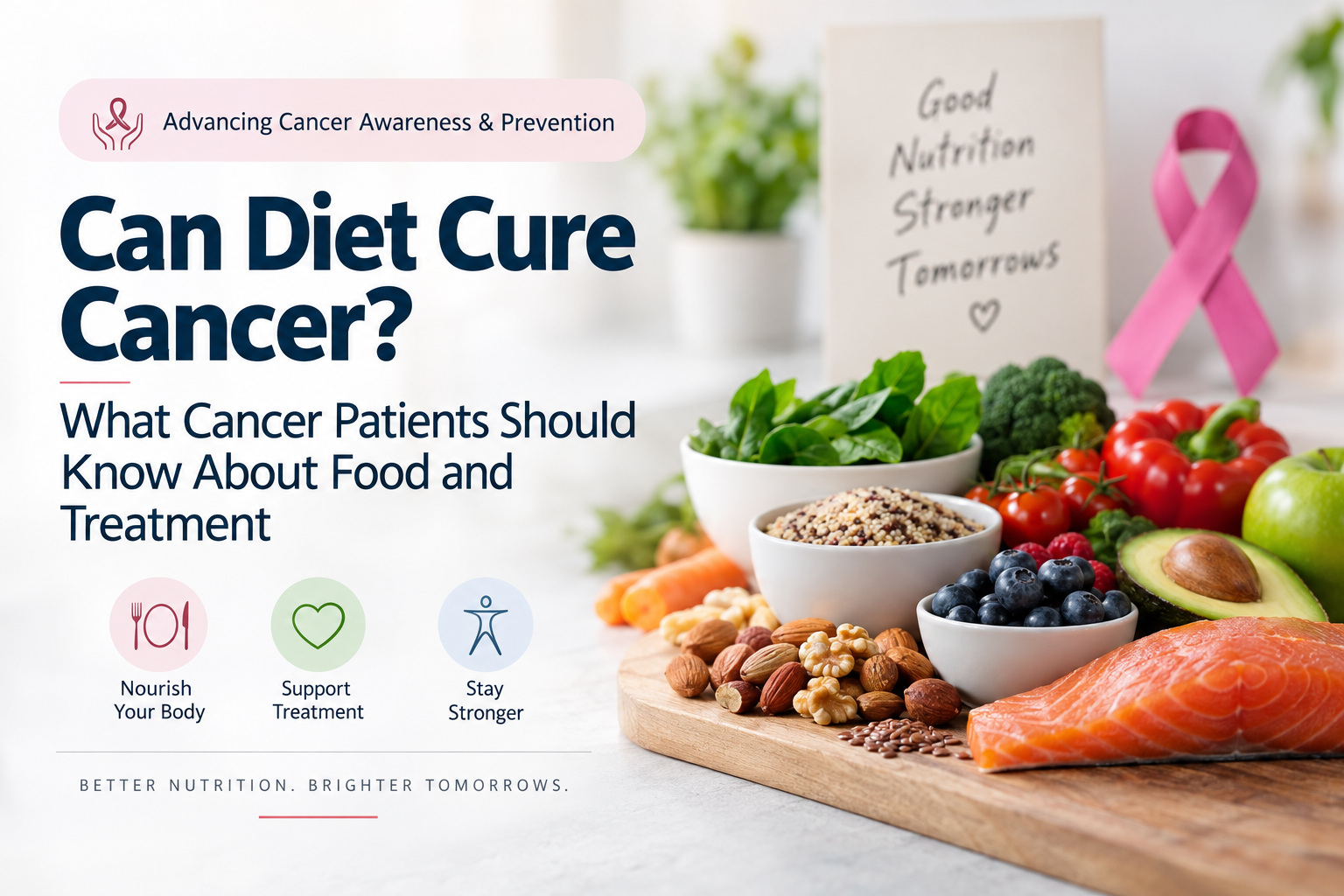
Can Diet Cure Cancer? What Cancer Patients Should Know About Food and Treatment
One of the most common questions patients and families ask after a cancer diagnosis is:
“Can changing my diet cure cancer?”
The simple answer is no—there is currently no scientifically proven diet that can cure cancer on its own.
However, this does not mean that diet is unimportant. Good nutrition can support your body during cancer treatment, help maintain strength and muscle mass, support recovery after surgery, and improve your ability to cope with treatment. The key is understanding the difference between supporting cancer treatment and replacing cancer treatment.
Can Food Kill Cancer Cells?
You may come across claims about particular foods, juices, herbs, spices or supplements that supposedly “kill cancer cells.”
Cancer is a complex disease. Treatment depends on factors such as:
- Type of cancer
- Stage of cancer
- Location and size of the tumor
- Pathology and tumor biology
- Whether the cancer has spread
- Overall health of the patient
Depending on the situation, effective cancer treatment may involve surgery, chemotherapy, radiation therapy, targeted therapy, immunotherapy, hormonal therapy, or a combination of treatments. Diet can support these treatments, but should not be used as a substitute for them.
What Can a Healthy Diet Do During Cancer Treatment?
A well-planned diet can help you:
- Maintain muscle and body weight- Cancer and its treatment can sometimes cause loss of appetite, weight loss and muscle loss. Adequate protein and calories are important for maintaining strength and supporting recovery.
- Support recovery after surgery-After cancer surgery, your body needs nutrients to repair tissues and recover. Protein-rich foods, adequate calories, fluids, vitamins and minerals can all contribute to recovery.
- Help maintain energy-Eating regularly and choosing nutrient-dense foods can help prevent unnecessary weakness and fatigue.
- Support overall health-A balanced diet supports cardiovascular health, metabolic health and general wellbeing—important considerations throughout the cancer journey.
What Should a Cancer Patient Eat?
There is no single “cancer diet” that is appropriate for everyone. Your nutritional needs may change depending on the cancer, treatment, symptoms and whether you have recently undergone surgery. In general, a balanced diet may include:
- Protein:
Dal, beans, lentils, paneer, curd, eggs, fish, chicken and other suitable protein sources. - Vegetables and fruits:
Include a variety of vegetables and fruits as tolerated and as appropriate for your treatment. - Whole grains and healthy carbohydrates:
Whole wheat, oats, brown rice, millets and other minimally processed carbohydrate sources can be useful. - Healthy fats:
Nuts, seeds and appropriate amounts of healthy cooking oils can provide energy and essential nutrients. - Fluids:
Adequate hydration is important, particularly during recovery and some cancer treatments. - If eating is difficult because of nausea, mouth ulcers, difficulty swallowing, abdominal surgery or poor appetite, the diet may need to be modified.
Does Sugar Feed Cancer?
This is another common concern. Patients are sometimes told that completely avoiding sugar will “starve” cancer cells. The reality is more complicated. Cancer cells, like other cells in the body, use glucose for energy. Simply eliminating sugar from your diet does not selectively starve cancer cells while leaving normal cells unaffected. At the same time, eating large amounts of added sugar is not recommended as part of a healthy diet.
The goal should be overall nutritional quality and metabolic health, rather than extreme sugar restriction.
Should I Stop Eating Carbohydrates?
Usually, there is no reason for a cancer patient to completely eliminate carbohydrates unless specifically advised by their treating team for an individual medical reason. Carbohydrates can provide an important source of energy. Instead of following extreme diets, focus on appropriate portions and healthier carbohydrate choices such as whole grains, vegetables, legumes and other minimally processed foods.
What About Fasting or Keto Diets?
You may hear about fasting, ketogenic diets or other restrictive diets being promoted as cancer treatments. Research into specialized dietary approaches and cancer metabolism is ongoing. However, these approaches should not be assumed to cure cancer and may not be suitable for every patient. During cancer treatment, unnecessary dietary restriction can sometimes lead to inadequate calorie or protein intake and loss of muscle mass. If you are considering a highly restrictive diet, discuss it with your oncologist and, when appropriate, a qualified oncology dietitian.
What About Herbal Remedies and Supplements?
“Natural” does not automatically mean “safe” or “effective.”
- Some herbal products and supplements may interact with chemotherapy, targeted therapy, immunotherapy, blood-thinning medicines or other medications.
- Some may also affect the liver or kidneys.
Therefore, always tell your cancer treatment team about any:
- Herbal medicines
- Ayurvedic preparations
- Supplements
- Vitamins in high doses
- Special powders or nutritional products
Do not stop or replace prescribed cancer treatment with an unproven remedy.
Can Diet Prevent Cancer?
Diet can contribute to a healthier lifestyle and may help reduce the risk of certain cancers, particularly when combined with other healthy habits.
Important preventive choices include:
- Maintaining a healthy body weight
- Eating plenty of vegetables, fruits and other high-fiber foods
- Limiting highly processed foods and excessive added sugar
- Avoiding tobacco
- Limiting alcohol
- Staying physically active
- Following recommended cancer screening
However, even people who follow a healthy lifestyle can develop cancer. Cancer prevention is about reducing risk—not guaranteeing that cancer will never occur.
What If I Have Already Had Cancer Surgery?
Nutrition becomes particularly important during recovery. After surgery, your nutritional requirements may change depending on the type of operation. Some patients may need:
- More protein
- Smaller and more frequent meals
- Soft or modified foods
- Additional fluids
- Temporary nutritional supplements
- Guidance for maintaining or regaining weight
For example, nutritional requirements after gastrointestinal surgery may be very different from those after breast or head-and-neck cancer surgery. Your diet should therefore be individualized to your treatment and recovery.
Don’t Let Fear Decide Your Cancer Treatment
A cancer diagnosis can make patients vulnerable to promises of miracle foods, special diets and “natural cures.” It is understandable to look for something you can control. Diet is one area where you can make positive choices—but it should complement evidence-based cancer treatment, not replace it.
There is no miracle food that can replace appropriate cancer treatment.
The most important step is to understand your diagnosis and discuss your treatment options with your cancer specialist.
Cancer Care Is About the Whole Person
Cancer treatment involves more than removing a tumor or giving medicines. It involves maintaining strength, managing symptoms, supporting nutrition, addressing emotional concerns and helping patients return to their normal lives as much as possible.
As a Surgical Oncologist, my approach is to combine evidence-based treatment with clear communication and compassionate care.
If you or a family member has been diagnosed with cancer and you are unsure about diet, surgery or the next step in treatment, do not hesitate to ask questions.
Good cancer care begins with accurate information—and continues with personalized support at every step.
📞 Call for more information, awareness, preventive health check up, second opinion and screening test for cancer: 098150 48348
Connect on WhatsApp: 098150 48348